

Introduction to the Ngorongoro Conservation Area
The Ngorongoro Conservation Area (NCA) is one of the most remarkable safari destinations in the world, situated in northern Tanzania along the famous Northern Safari Circuit. Covering approximately 8,292 square kilometers, the NCA blends unmatched wildlife experiences with rich cultural heritage and deep human history. Unlike a traditional national park, this UNESCO World Heritage Site uniquely allows wildlife to coexist alongside the semi-nomadic Maasai people, who have grazed their cattle here for centuries.
What sets the Ngorongoro apart is not just the density of wildlife but also the diversity of experiences it offers from standing on the rim of the Ngorongoro Crater, the largest intact volcanic caldera in the world, to walking through the Olduvai Gorge, often referred to as the “cradle of mankind.”
This article provides an in-depth guide to the Ngorongoro Conservation Area, covering its wildlife, history, cultural significance, best time to visit, and how to combine a Ngorongoro safari with gorilla trekking in Bwindi Impenetrable Forest or Rwanda’s Volcanoes National Park for an unforgettable East African adventure.
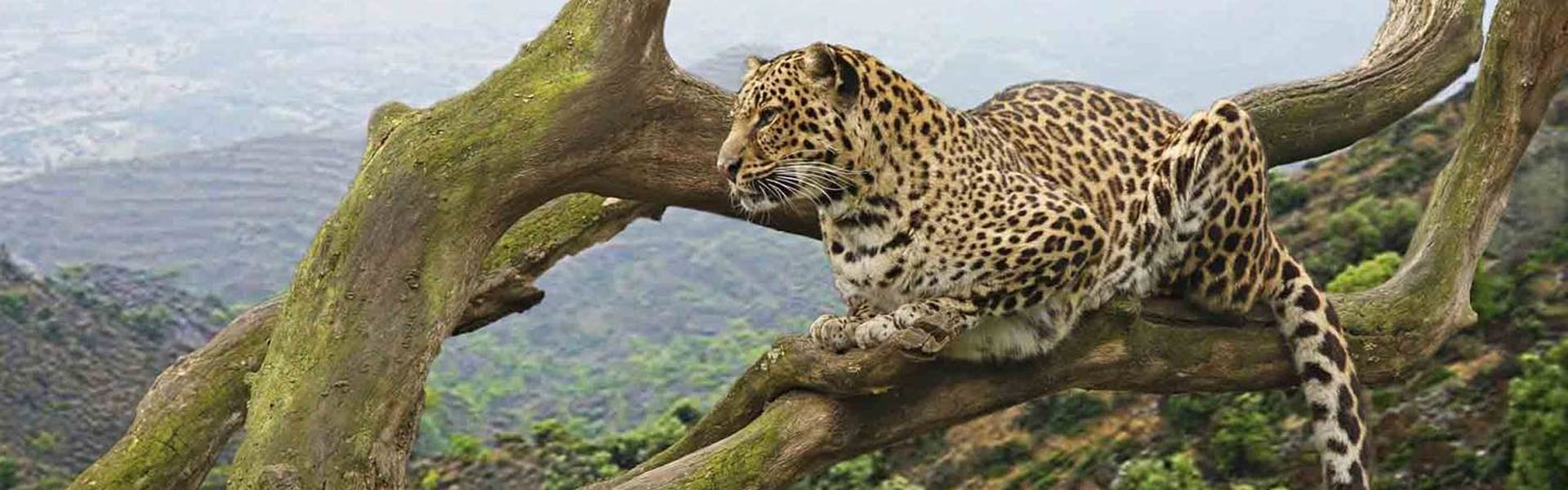
Ngorongoro Conservation Area
The Ngorongoro Crater: Heart of the Conservation Area
Formation and Geological Significance
The Ngorongoro Crater was formed about two to three million years ago when a massive volcano erupted and collapsed on itself, leaving behind a vast caldera. Measuring about 20 kilometers wide and 610 meters deep, the crater covers roughly 260 square kilometers, creating a self-contained ecosystem where nature thrives in balance.
Wildlife Haven
The crater floor boasts one of the highest concentrations of wildlife anywhere in Africa, making it a magnet for safari enthusiasts. It is one of the few places where visitors stand a strong chance of spotting the Big Five lion, elephant, buffalo, leopard, and black rhinoceros all within a single game drive.
In addition to the Big Five, the crater supports more than 25,000 large animals, including wildebeest, zebra, gazelle, hyena, hippos, and countless bird species. Lake Magadi, a shallow soda lake, is often graced with flocks of flamingos, creating an iconic safari panorama.
Scenic Landscapes
The Ngorongoro Crater is not only about wildlife; it is also a patchwork of breathtaking habitats, ranging from grasslands and acacia woodlands to swamps and lakeshores. This natural mosaic sustains the diversity of life and gives visitors a sense of being inside a living Eden.
Cultural Encounters: The Maasai of Ngorongoro
The Maasai people, known for their striking attire and enduring traditions, form a crucial part of the Ngorongoro story. Unlike in many protected areas where human activity is restricted, here the Maasai coexist with wildlife, herding their cattle across the plains as they have done for centuries.
Visitors can engage in cultural tours to Maasai bomas (villages), where they learn about Maasai customs, dance, traditional architecture, and the challenges of balancing modern conservation with pastoralist traditions. This interaction enriches the safari experience, offering not just wildlife encounters but also cultural immersion.
Olduvai Gorge: The Cradle of Mankind
Few destinations combine wildlife tourism with world-class archaeology as seamlessly as Ngorongoro. The Olduvai Gorge, located within the conservation area, is among the most important paleoanthropological sites in the world.
Archaeologists Louis and Mary Leakey uncovered fossils here that date back over 2 million years, including some of the earliest evidence of hominins human ancestors. The Olduvai Gorge Museum provides visitors with fascinating exhibits on human evolution, stone tools, and the archaeological significance of this deep ravine. For history enthusiasts, standing at Olduvai is a humbling reminder of humanity’s shared roots.
The Ndutu Plains and the Great Migration
The Ngorongoro Conservation Area is part of the broader Serengeti ecosystem, and the Ndutu Plains play a starring role during the Great Migration. From late December to March, vast herds of wildebeest and zebra arrive here for the calving season.
During this time, nearly half a million wildebeest calves are born, attracting predators like lions, cheetahs, and hyenas in one of nature’s most dramatic displays. Witnessing this cycle of life and survival in Ndutu is an experience that leaves travelers in awe of the raw beauty of Africa.
Crater Highlands and Beyond
Beyond the main crater, the Ngorongoro Highlands reveal another dimension of this destination. Hikers can explore volcanic features such as:
- Olmoti Crater known for its scenic trails and waterfalls.
- Empakaai Crater featuring a beautiful soda lake surrounded by lush forests, often filled with flamingos.
- Ol Doinyo Lengai an active volcano revered by the Maasai as the “Mountain of God,” offering challenging treks for adventurous travelers.
These highlands allow visitors to go beyond traditional game drives and immerse themselves in the landscapes through walking safaris, birdwatching, and cultural hikes.
Best Time to Visit Ngorongoro Conservation Area
Dry Season (June to October)
- Best for classic game viewing.
- Short vegetation makes it easier to spot wildlife.
- Excellent conditions for photography due to clear skies.
Wet Season (November to May)
- Landscape turns lush and green, perfect for scenic safaris.
- Birdwatching is at its peak with migratory species present.
- Calving season in Ndutu (January to March) brings predator action and newborn wildlife.
Both seasons have unique advantages, and the choice depends on traveler preferences whether one seeks dramatic predator-prey encounters or stunning green scenery.
Safari Experiences in Ngorongoro Conservation Area
- Game Drives: Explore the crater floor and surrounding highlands with expert guides.
- Walking Safaris: Especially in Empakaai and Olmoti Craters for an intimate nature experience.
- Birdwatching: Over 500 recorded species including flamingos, ostriches, and crowned cranes.
- Cultural Visits: Engage with Maasai communities to learn about their traditions.
- Photography Safaris: Capture world-class images of landscapes, wildlife, and culture.
How Ngorongoro Conservation Area Differs from Other Parks
Unlike the Serengeti National Park, which focuses purely on wildlife, Ngorongoro is a multi-use landscape where conservation and human life intertwine. Its combination of cultural heritage, paleontological significance, and high wildlife density makes it stand apart from destinations like Amboseli National Park in Kenya or Queen Elizabeth National Park in Uganda.
Combining Ngorongoro Conservation Area with Gorilla Trekking
For travelers seeking the ultimate East African safari, combining a trip to the Ngorongoro Conservation Area with gorilla trekking in Bwindi Impenetrable National Park (Uganda) or Volcanoes National Park (Rwanda) is an exceptional choice.
- Bwindi Impenetrable Forest (Uganda): Offers close encounters with endangered mountain gorillas in a dense, ancient rainforest.
- Volcanoes National Park (Rwanda): Known for easier access and breathtaking volcano landscapes while tracking gorillas.
This combination delivers two of Africa’s most sought-after experiences to the raw savannah beauty of Ngorongoro and the emotional connection of standing a few feet from a gorilla family in their natural habitat.
Practical Travel Tips for Visiting Ngorongoro
- Entry Fees: The Ngorongoro Conservation Area Authority manages entry, and fees vary for international tourists, East African residents, and locals.
- Accommodation: Ranges from luxury lodges on the crater rim to mid-range tented camps and budget-friendly campsites.
- Transport: Most safaris begin from Arusha, with 4×4 safari vehicles commonly used for access.
- Health & Safety: Malaria precautions are recommended, along with vaccinations such as yellow fever.
- Guides: Using professional guides enhances the experience, as they bring expertise in wildlife tracking and cultural interpretation.
Ngorongoro Conservation Area and Sustainable Tourism
The balance between wildlife, conservation, and human presence in Ngorongoro is delicate. Tourism plays a key role in supporting conservation initiatives and providing income for local communities. Travelers can contribute by choosing eco-friendly lodges, respecting Maasai culture, and following park regulations to minimize environmental impact.

Ngorongoro Conservation Area
Why Ngorongoro Conservation Area Should Be on Your Bucket List
The Ngorongoro Conservation Area is not just another safari destination it is a living landscape where history, culture, and wildlife converge. From the breathtaking Ngorongoro Crater and the historic Olduvai Gorge to encounters with Maasai culture and the drama of the Great Migration in Ndutu, the NCA offers a safari experience that is unmatched anywhere in the world.
For those seeking the ultimate East African adventure, pairing Ngorongoro with gorilla trekking in Bwindi or Rwanda creates a once-in-a-lifetime journey that combines the best of savannah and rainforest.
Call-to-Action
Are you ready to experience the wonders of the Ngorongoro Conservation Area? Start planning your journey today to whether it’s a game drive in the crater, a hike through the highlands, or a combined safari with gorilla trekking in Uganda and Rwanda. Book your East African safari now and immerse yourself in one of the most extraordinary regions on Earth.