

Why Kigali is the Cleanest City in Africa?
Why Kigali is the Cleanest City in Africa?
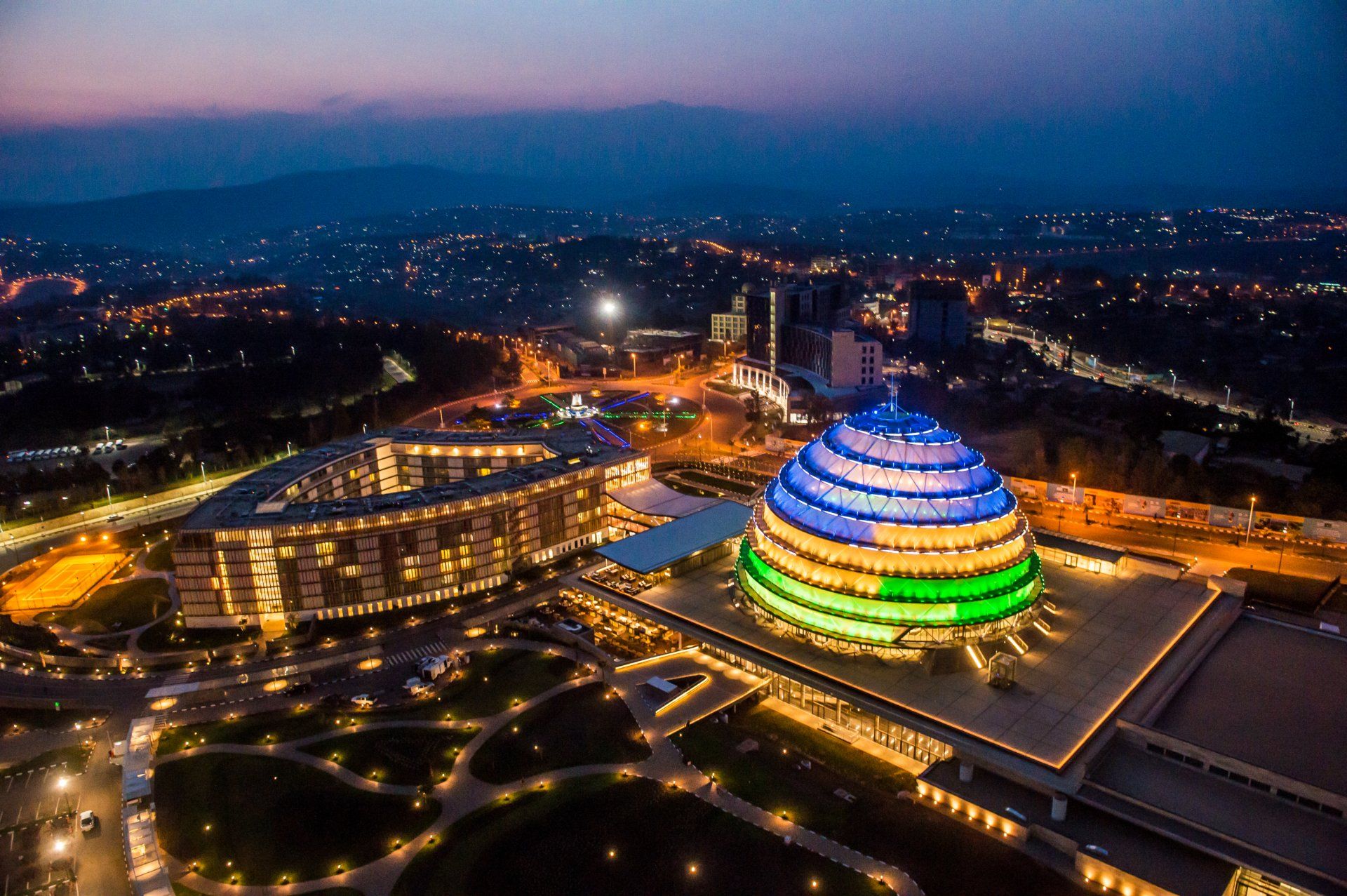
Kigali, the capital city of Rwanda, is widely celebrated as the cleanest city in Africa. This remarkable achievement is not a coincidence but the result of deliberate policies, visionary governance, and active citizen participation. Kigali’s emphasis on environmental sustainability, community involvement, and strict urban planning has set a high standard for cities across the continent. This article explores the key factors behind Kigali’s cleanliness, detailing how governance, community engagement, innovative waste management, and strategic development have transformed the city into a model of urban sustainability.
Effective Governance and Visionary Policies
At the heart of Kigali’s cleanliness lies effective governance. The Rwandan government has adopted a progressive approach to urban management, focusing on environmental health and sustainability. One of the most impactful initiatives is Umuganda—a national community service day held on the last Saturday of each month. During Umuganda, citizens clean streets, maintain public spaces, and participate in environmental conservation activities. This tradition reinforces a collective sense of responsibility, inspiring residents to actively maintain their neighborhoods.
In addition to community-driven efforts, Kigali has implemented strict policies on waste management and environmental protection. For example, the government banned non-biodegradable plastic bags in 2008, making Rwanda one of the first African countries to adopt such legislation. The enforcement of laws against littering, illegal dumping, and pollution ensures that public spaces remain clean and orderly. These policies are closely monitored by local authorities, with fines imposed on those who fail to comply. Through these structured measures, Kigali has demonstrated how leadership and well-enforced regulations can yield remarkable results.
Community Engagement and the Spirit of Umuganda
A key pillar of Kigali’s success is the strong sense of community engagement fostered by the government. The Umuganda program is more than a cleanup exercise—it’s a cultural practice that unites residents and strengthens social bonds. On Umuganda days, everyone, including government officials, business owners, and ordinary citizens, participates in cleaning their environment. This collective effort has instilled a culture of civic pride among Kigali’s residents.
Community-driven initiatives extend beyond Umuganda. Neighborhood committees and local councils work closely with residents to address issues affecting their communities. The government ensures that citizens are involved in decision-making processes, particularly in urban development and environmental policies. This participatory governance model has empowered Kigali’s residents, encouraging them to take ownership of the city’s cleanliness and sustainability efforts. As a result, community involvement remains one of the most effective tools in maintaining Kigali’s status as Africa’s cleanest city.
Innovative Waste Management Systems
Kigali’s advanced waste management systems also play a crucial role in its cleanliness. The city has developed an efficient infrastructure for waste collection and recycling, with designated collection points and sorting facilities throughout the city. Waste is separated at the source, with residents encouraged to sort organic, recyclable, and non-recyclable waste. Private waste management companies partner with the government to ensure the seamless collection, recycling, and disposal of waste.
In addition, Kigali has embraced modern technology to enhance waste management. Smart bins equipped with sensors monitor waste levels, ensuring that collection services are optimized to avoid overflow. Recycling plants process materials like plastic and paper, reducing the amount of waste that ends up in landfills. By integrating these innovative solutions, Kigali not only minimizes pollution but also promotes sustainability and circular economy principles.
Environmental Education and Awareness Campaigns
Another factor contributing to Kigali’s cleanliness is the focus on environmental education and public awareness. Schools, community organizations, and NGOs actively engage in environmental education programs, teaching residents about the importance of proper waste disposal and eco-friendly practices. These initiatives target both adults and children, promoting a culture of sustainability from a young age.
Government-led awareness campaigns also emphasize the harmful effects of pollution and the need to reduce plastic consumption. Through workshops, seminars, and media outreach, citizens are encouraged to adopt greener lifestyles by recycling, planting trees, and conserving resources. Community groups often organize tree-planting events and urban gardening projects, creating green spaces that further enhance the city’s beauty and ecological health. The widespread participation in these programs ensures that Kigali’s residents remain actively involved in maintaining a clean environment.
Strategic Urban Planning and Sustainable Development
Kigali’s urban development is guided by a comprehensive master plan that prioritizes sustainable growth and environmental preservation. The city’s landscape includes well-maintained parks, green belts, and pedestrian-friendly zones that not only beautify the urban environment but also contribute to better air quality. Public spaces are kept free from encroachment, and landscaping projects are regularly maintained to ensure the aesthetic appeal of the city.
Kigali also promotes sustainable construction practices. New buildings must adhere to environmental guidelines, incorporating energy-efficient technologies, rainwater harvesting systems, and green roofing solutions. The use of renewable energy is encouraged, and the city has invested in solar-powered streetlights to reduce carbon emissions. By balancing growth with environmental stewardship, Kigali has achieved sustainable development without compromising on cleanliness.
Leadership and Visionary Governance
The leadership of Kigali, under the guidance of President Paul Kagame and local city authorities, has been instrumental in transforming it into a model of cleanliness. The government’s commitment to maintaining a clean, sustainable city is reflected in the resources allocated to urban management and environmental initiatives. Institutions dedicated to environmental protection work closely with city planners to ensure that Kigali’s development aligns with global sustainability goals.
The government’s zero-tolerance policy on pollution and waste mismanagement further underscores its dedication to urban cleanliness. Offenders face fines and penalties for non-compliance, reinforcing the importance of adhering to environmental laws. The visionary leadership has also attracted international recognition, with Kigali serving as a case study for other cities seeking to improve their urban environments. Through proactive governance, Kigali continues to lead the way in promoting cleanliness and sustainability across Africa.
Things to Do in Kigali City
Explore the Kigali Genocide Memorial
A visit to the Kigali Genocide Memorial offers a sobering but essential insight into Rwanda’s history. The memorial, which honors the victims of the 1994 Genocide against the Tutsi, provides a reflective space for remembrance and education. Visitors can explore detailed exhibitions that document personal stories, photographs, and artifacts from the genocide. The serene gardens surrounding the memorial serve as a place for reflection and healing, while the educational programs provide lessons on resilience and reconciliation.
Stroll Through the Nyamirambo Neighborhood
Nyamirambo, one of Kigali’s most vibrant neighborhoods, offers visitors a glimpse into the city’s diverse culture. The area is known for its lively streets, bustling markets, and colorful murals. Guided walking tours organized by the Nyamirambo Women’s Center showcase the neighborhood’s history, culture, and community development efforts. Visitors can explore local markets, sample traditional Rwandan food, and enjoy performances by local artists.
Visit Kimironko Market
Kimironko Market is Kigali’s largest market, offering everything from fresh produce to handmade crafts. The market provides an exciting opportunity to experience local life, interact with vendors, and purchase souvenirs such as woven baskets and jewelry. Visitors can practice their bargaining skills while supporting local artisans.
Relax at the Inema Arts Center
The Inema Arts Center, a hub for contemporary art in Kigali, showcases the works of talented Rwandan artists. Visitors can explore the vibrant gallery, participate in workshops, and enjoy live performances. The center’s commitment to nurturing local talent makes it an inspiring space for art lovers.
Conclusion
Kigali’s transformation into the cleanest city in Africa is a testament to the power of good governance, community involvement, and sustainable development. The city’s success story serves as an inspiration for other urban centers across Africa. With its emphasis on cleanliness, environmental education, and forward-thinking urban planning, Kigali sets a high standard for the future of African cities.
Best Top 15 Uganda Safaris
- Murchison Falls Tour Safari
- Lake Mburo National Park Safari
- Gorilla Trek Africa & Uganda Wildlife Safari
- Wildlife and Gorilla Trekking Uganda Safari
- Gorillas and Chimpanzee Trekking Uganda Safari
- Murchison Falls Big 5 Safari and Jinja Source of the Nile
- Primates Safari Uganda – Gorilla Trekking & Chimpanzee Safari
- Uganda Gorillas & Wildlife Safari
- Gorillas and Savanna Safari
- Uganda Chimpanzee and Gorilla Trekking Safari
- Uganda Wildlife & Primates Safari
- Gorilla Trek Uganda & Wildlife Safari
- Gorilla Trek Uganda & Wildlife Safari
- Uganda Wildlife Holiday Adventure Safari
- Uganda Primates & Wildlife Safari