

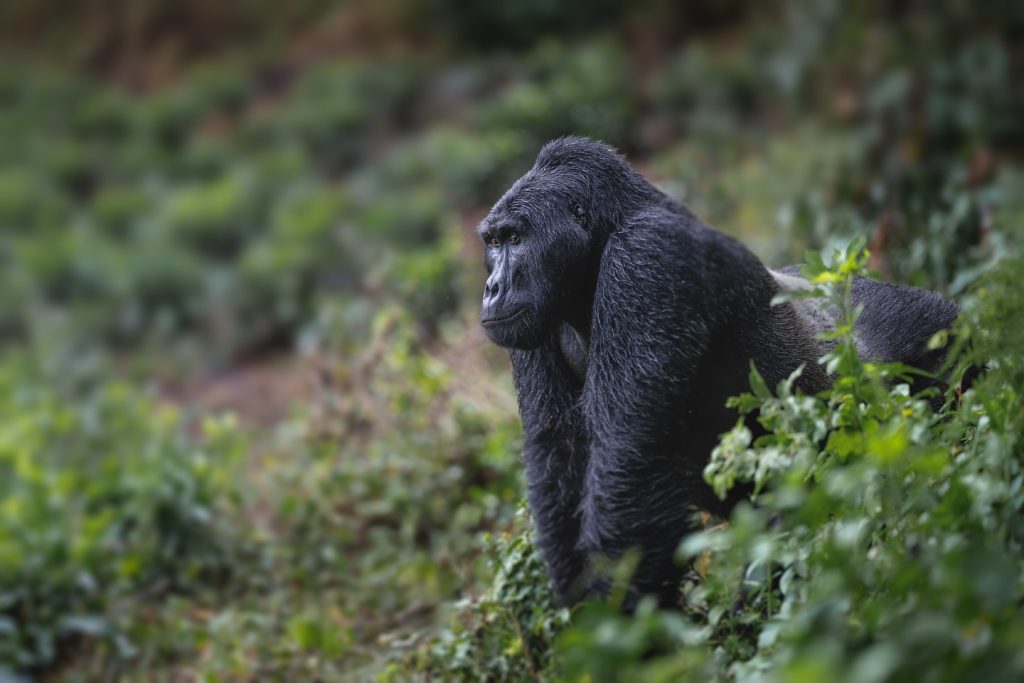
FAQs About Gorilla Trekking in Bwindi Impenetrable National Park
Gorilla trekking in Bwindi Impenetrable National Park is a once-in-a-lifetime adventure that offers an unparalleled opportunity to observe mountain gorillas in their natural habitat. Situated in southwestern Uganda, this UNESCO World Heritage Site is home to nearly half of the world’s remaining mountain gorilla population. Engaging in a gorilla trekking safari here not only provides a profound wildlife experience but also supports conservation efforts and local communities.
Introduction to Bwindi Impenetrable National Park
Bwindi Impenetrable National Park is a dense tropical rainforest that spans over 331 square kilometers. The park’s rugged terrain, characterized by steep slopes and deep valleys, creates a challenging yet rewarding environment for trekkers. ‘FAQs About Gorilla Trekking in Bwindi Impenetrable National Park ‘Established in 1991, Bwindi is renowned for its rich biodiversity, housing over 120 mammal species, 350 bird species, and 200 butterfly species. However, it is most famous for being a sanctuary to the endangered mountain gorillas.
What Is Gorilla Trekking?
Gorilla trekking involves guided hikes through the forest to locate and observe mountain gorilla families. Each trek is led by experienced rangers who ensure both the safety of the trekkers and the well-being of the gorillas. Visitors are allowed to spend a maximum of one hour with the gorillas, maintaining a distance of at least 7 meters to minimize the risk of disease transmission. This intimate encounter offers a rare glimpse into the lives of these gentle giants.
When Is the Best Time to Go Gorilla Trekking?
The optimal time for gorilla trekking in Bwindi is during the dry seasons, which occur from June to September and December to February. During these months, the forest trails are less muddy, making the treks more comfortable. However, the park is accessible year-round, and some travelers prefer the wet season (March to May and October to November) for fewer crowds and discounted permits. It’s important to note that weather conditions can change rapidly, so trekkers should be prepared for rain at any time. [FAQs About Gorilla Trekking in Bwindi Impenetrable National Park]
What Are the Age and Health Requirements?
To participate in gorilla trekking, individuals must be at least 15 years old. This age limit helps protect both the trekkers and the gorillas from potential health risks. Additionally, trekkers should be in good physical health, as the hikes can be strenuous. It’s advisable to consult with a healthcare provider before embarking on the trek, especially for those with pre-existing health conditions. Travelers with colds or other infectious illnesses should refrain from trekking to prevent transmitting diseases to the gorillas.
How Do I Obtain a Gorilla Trekking Permit?
Gorilla trekking permits are issued by the Uganda Wildlife Authority and can be purchased through authorized tour operators. Given the high demand, it’s recommended to book permits 3 to 4 months in advance, particularly during peak seasons. Each permit grants access to a specific gorilla family in one of Bwindi’s four sectors: Buhoma, Ruhija, Nkuringo, and Rushaga. The cost of a permit varies, and it’s advisable to check the current rates before booking.
What Are the Different Trekking Sectors?
Bwindi Impenetrable National Park is divided into four sectors, each offering unique trekking experiences:
- Buhoma Sector: Located in the northern part of the park, Buhoma is the most accessible sector, making it ideal for travelers combining gorilla trekking with visits to nearby attractions like Queen Elizabeth National Park.
- Ruhija Sector: Situated in the eastern part, Ruhija offers a more tranquil trekking experience with fewer visitors.
- Nkuringo Sector: Found in the southern region, Nkuringo is known for its challenging terrain, providing a more physically demanding trek.
- Rushaga Sector: Also in the southern part, Rushaga boasts the highest number of habituated gorilla families, offering a higher chance of securing permits.
Each sector provides a unique perspective of the forest and its inhabitants, allowing trekkers to choose an experience that aligns with their preferences and fitness levels.
What Should I Pack for the Trek?
Preparing adequately for the trek is essential for comfort and safety. Recommended items include:
- Clothing: Lightweight, long-sleeved shirts and pants in neutral colors to protect against insects and vegetation.
- Footwear: Sturdy, waterproof hiking boots with good ankle support.
- Rain Gear: A waterproof jacket and poncho to shield against sudden showers.
- Accessories: A hat, gloves, sunglasses, and insect repellent.
- Personal Items: A camera (without flash), binoculars, and a small backpack.
It’s advisable to travel light, as the trek can last several hours, and carrying heavy items can be cumbersome.
Where Can I Stay During My Visit?
Bwindi offers a range of accommodation options to suit various budgets:
- Luxury Lodges: Establishments like Clouds Mountain Gorilla Lodge and Sanctuary Gorilla Forest Camp provide upscale amenities and stunning views of the forest.
- Mid-Range Options: Lodges such as Silverback Lodge and Engagi Lodge offer comfortable accommodations with essential facilities.
- Budget and Community-Based Lodges: Options like Buhoma Community Rest Camp and Ruhija Gorilla Safari Lodge offer affordable stays that support local communities.
Staying in or near the park enhances the trekking experience and supports conservation efforts.
What Are the Conservation Efforts in Bwindi?
Bwindi Impenetrable National Park plays a crucial role in the conservation of mountain gorillas. Through sustainable tourism, habitat preservation, and community engagement